
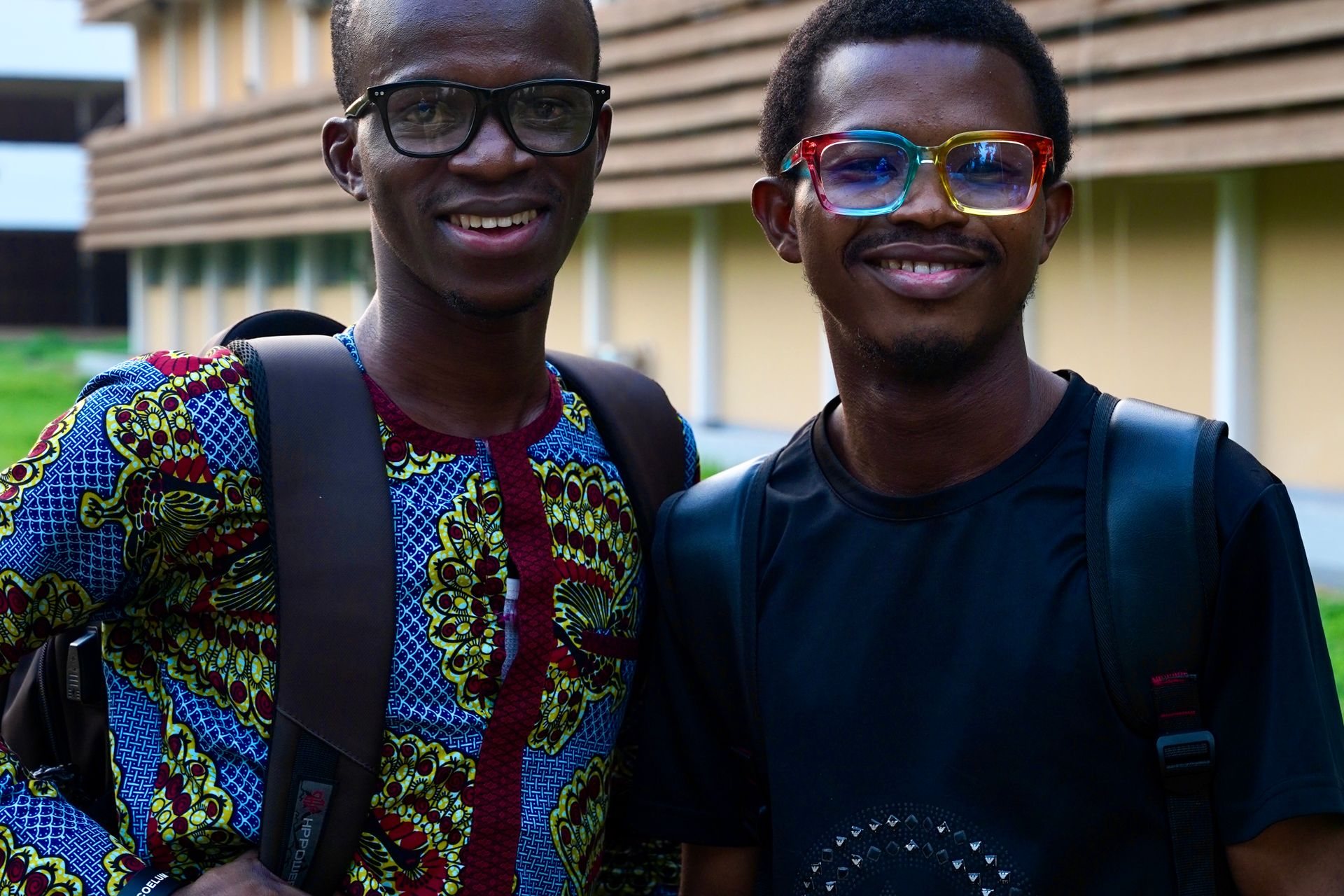
Ten Ghanaian students are spending Nov. 1 to 7 in Dongguan and Shenzhen, China, on Huawei's Seeds for the Future programme, studying artificial intelligence, cloud computing and smart cities, according to Turex Tech's November events round-up, updated Nov. 3. They come from six institutions: KNUST, the University of Ghana, GCTU, Central University, UPSA and KTU.
The programme is not new. Ghana News Agency reporting on the 2025 edition describes a partnership between Huawei Ghana and the Ministry of Communication, Digital Technology and Innovations, running in Ghana since 2015, with more than 300 alumni.
Three hundred alumni is where the hard question sits. A week in Shenzhen teaches what is possible. It does not provide the next rung: an internship on a real system, a junior role with a mentor, a project with a deadline and a user. Ghana's own One Million Coders debate made the same point in October — outcomes are jobs, not trips, laptops or registrations.
Employers hold that rung. A structured internship — real tasks, real reviews, a named supervisor, a defined end date — costs a company far less than a bad hire, and it is the difference between a returning student's enthusiasm compounding or evaporating.
It is the bridge KSPACE's own venture work is built around: InnoLab, the youth innovation programme covered by a memorandum of understanding between The Times Group Institute and KSPACE's Klabs studio, is a school-to-tertiary pathway, and the Klabs Venture Studio builds products in small teams where junior builders learn by shipping real work.
Employers: the cheapest talent pipeline in Ghana right now is a well-run internship. Talk to KSPACE TECHNOLOGIES about structuring one that produces work, not just attendance.