
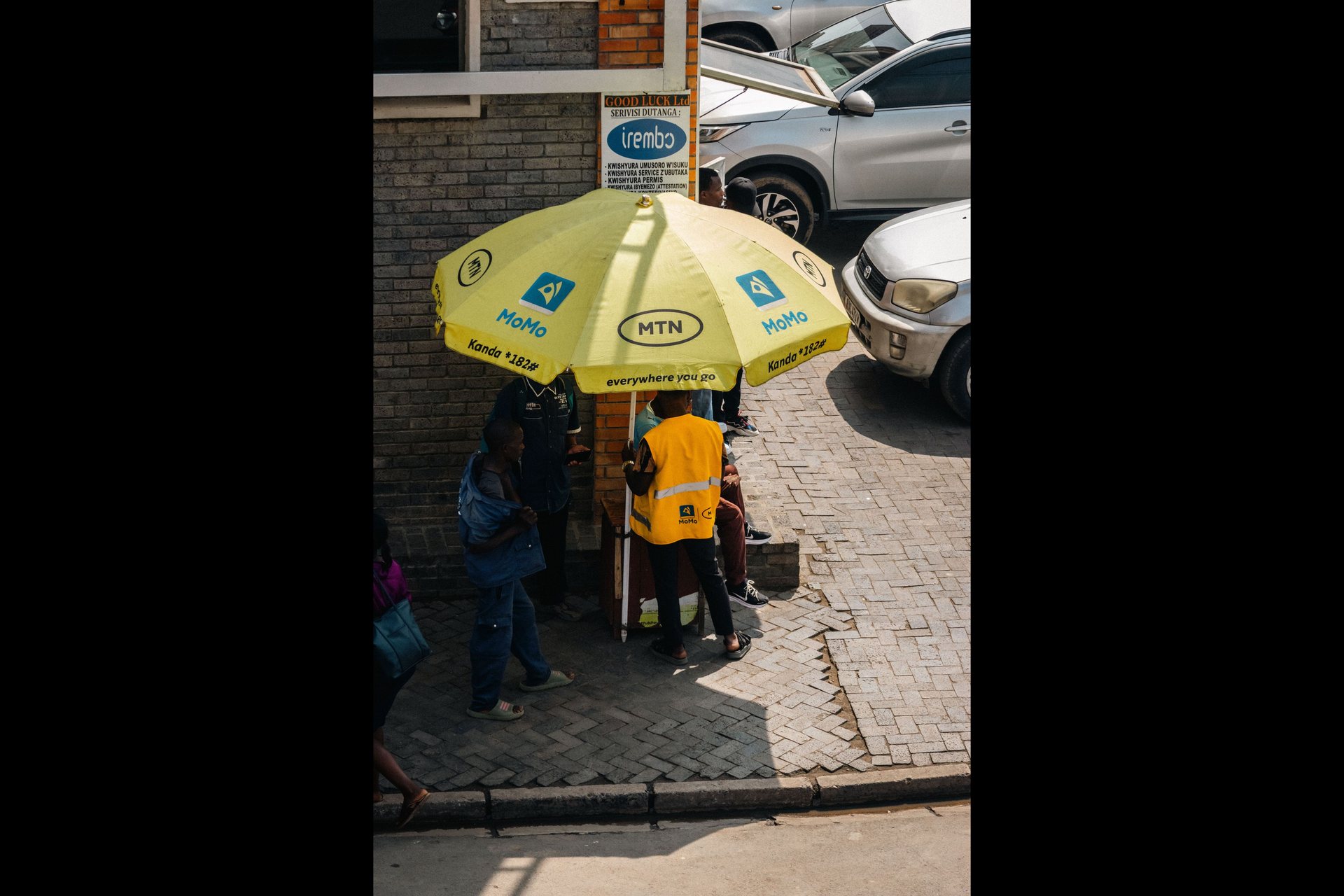
Ghana's own numbers say mobile money fraud is now a normal business risk. The Ghana Digital Economy Outlook 2026 reports that 88.9 percent of Ghanaians use mobile money, 82.9 percent say they have experienced fraud, and only 7.3 percent feel very secure online.
The official case counts agree. At the launch of National Cyber Security Awareness Month 2026, the Cyber Security Authority cited 3,876 cybersecurity incidents in the first seven months of 2026, with about 47 percent involving online fraud. The Bank of Ghana's 2025 Fraud Report counted fraud cases across banks, specialised deposit-taking institutions and payment service providers up 48 percent in a year, from 16,733 in 2024 to 24,778 in 2025.
October's awareness month took digital finance as its theme, and the Authority's Director-General, Divine Selase Agbeti, framed cyber risk as a business and governance risk, not an IT problem. For an SME that takes payment by mobile money every day, that framing is exact. Work this checklist.
One: confirm every payment request through a second channel before sending, and teach staff that a convincing message is not proof. Two: keep the business wallet separate from personal wallets, with the PIN known to as few people as possible and never shared by chat. Three: reconcile the wallet against your records daily, while a wrong or missing transaction is still easy to trace. Four: write down who may approve payments, and up to what amount, before the busy day starts. Five: agree in advance how you will report a suspected compromise. The Cyber Security Authority publishes 292, by call or SMS, for suspected incidents.
None of this needs new software. It needs setup, training and records that hold up — the unglamorous work KSPACE TECHNOLOGIES does with businesses that run on connected systems. Start with a conversation about tightening the systems your business already depends on.