
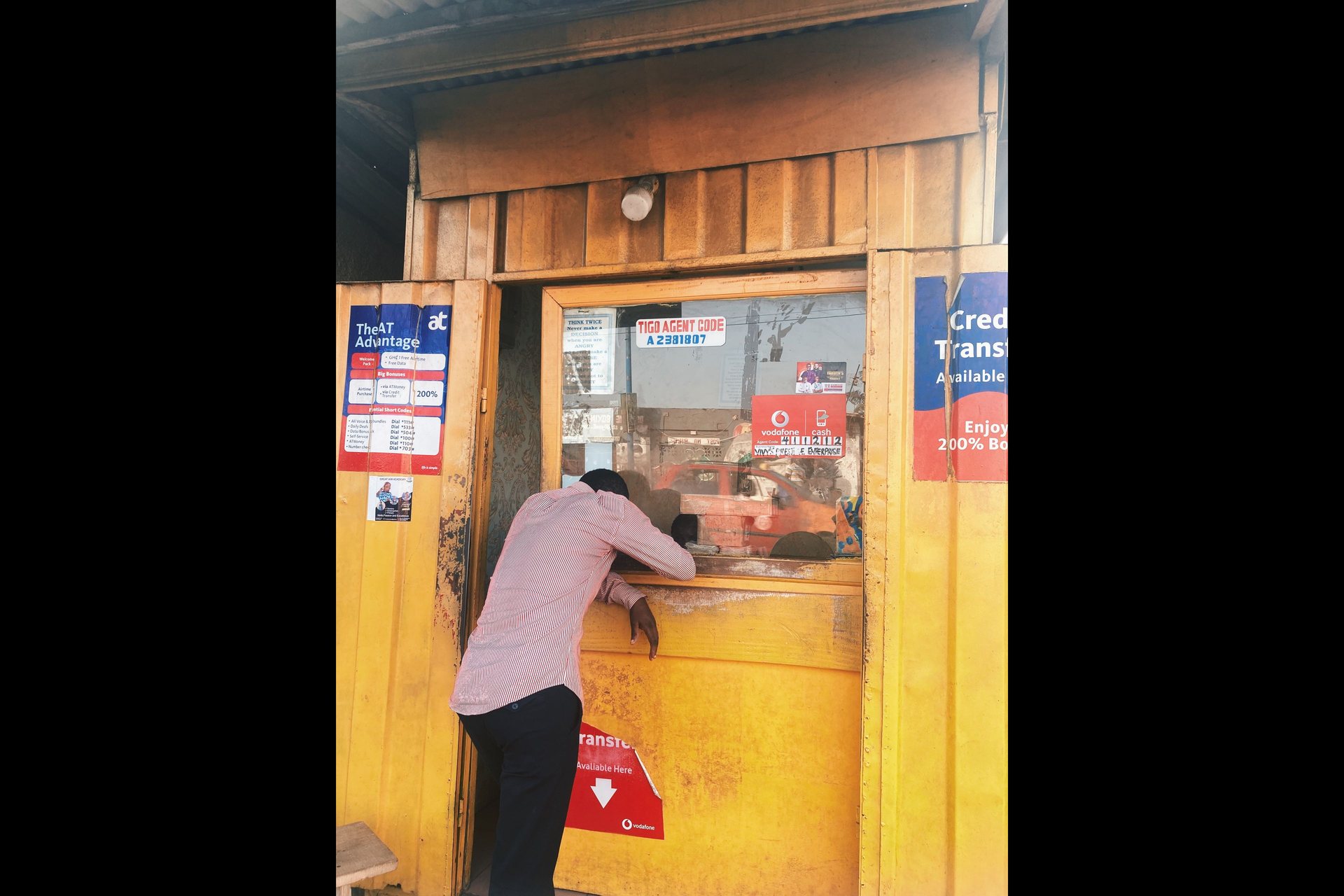
The Bank of Ghana has moved from licensing to enforcement on digital lending. Ghana news coverage on Nov. 2 and 3 reported the Bank flagging 20 unlicensed loan apps, the latest step in a crackdown that has been building all year.
The timeline is public. Existing digital-credit providers had until June 30, 2026 to regularise their status. On July 22 the Bank warned that unapproved providers could face sanctions, published an approved-provider list and answered questions in public FAQs. On Aug. 14, the Governor said a weekly list of unlicensed lenders would follow. The concerns named throughout are consistent: opaque loan terms, misuse of personal data and harassment in collections.
For a lending business, those concerns are not legal footnotes. They are product requirements. A lending platform built right shows its terms before a borrower commits, verifies identity properly, keeps collateral and repayment records that can be audited, and protects borrower data under Ghana's Data Protection Act, 2012 (Act 843). When a regulator or a customer asks how a decision was made, the system should answer with records, not recollections.
That is the difference between an app and a trust product. The technology has to carry the proof: clear terms in the flow, consent captured properly, every change to a loan record logged, and data held securely with access limited to the people who need it.
Kspace Technologies Ghana Ltd builds lending and payments technology in Accra. One disclosure belongs in plain sight: Kspace Technologies Ghana Ltd is the technology provider for PledgePoint, not the lender. PledgePoint is the lending entity. Building as a provider means the compliance work is designed into the system from the first screen.
If you are building or fixing a lending product in Ghana, start with the build quality a regulator can inspect. Talk to KSPACE TECHNOLOGIES about a lending platform that is ready to be examined.