
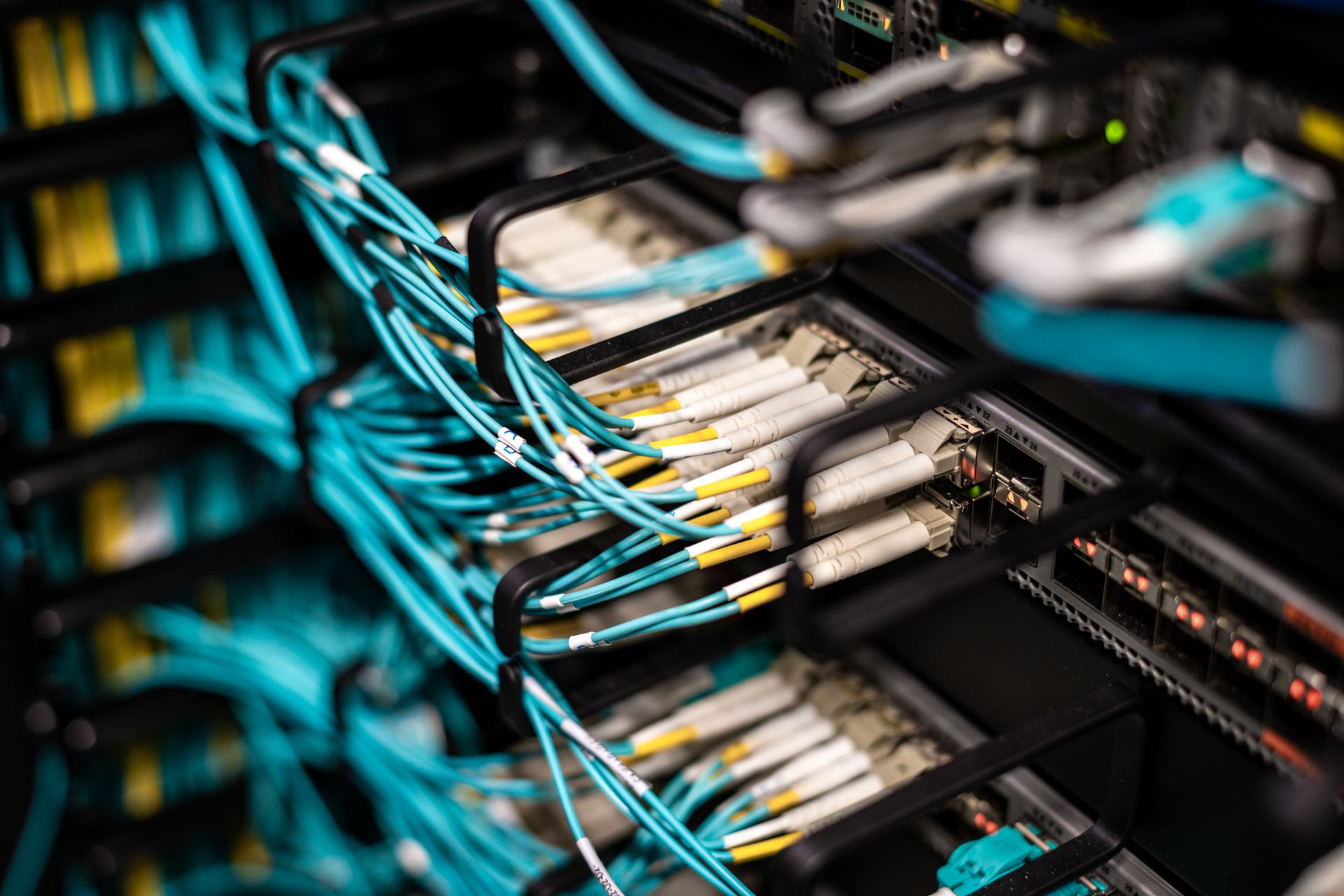
The cables in a rack will be forgotten within a year. The labels and documentation will not, because they are what the next technician actually inherits, and they decide whether future work takes minutes or a day of tracing.
Every cable should say what it is at both ends, in a scheme that stays consistent across the rack and the building. A label that only makes sense to the person who fitted it is a private note, not documentation, and private notes leave when people do.
The build itself should make the record easy to keep: cables routed in an order that can be followed by eye, patch panels and ports numbered to match the plan, and slack left where hands need it rather than where it was convenient at midnight. Neatness here is not decoration. It is how the next change stays safe.
A rack is finished when a stranger can work on it without calling the person who built it.
The handover record completes the deliverable: which port serves which room or device, what was tested, and where the runs go. Kept current, that record turns every later fault into a directed repair. Left undone, every fault starts with opening the ceiling and guessing.
KSPACE TECHNOLOGIES treats labelling and records as part of the build in its structured cabling work, not as paperwork to catch up on afterwards.
Takeaway: label both ends, number to the plan, and hand over the record with the rack. The next technician's first visit is your report card.