
NYSEG and RG&E reported on Oct. 26 that the more than 600 remote-operated reclosers they installed across their New York networks in 2026 have already restored power to more than 100,000 customers in under five minutes. The devices detect a fault, isolate the damaged section and reroute power automatically — part of a fleet of roughly 4,000 such devices across 55,000 miles of circuits.
Read that as an operations story, not a gadget story. Every one of those restorations used to be a truck roll — a crew driving to a fault they had to find by looking. Now the network heals the routine cases itself, and crews spend their hours on the failures that actually need hands.
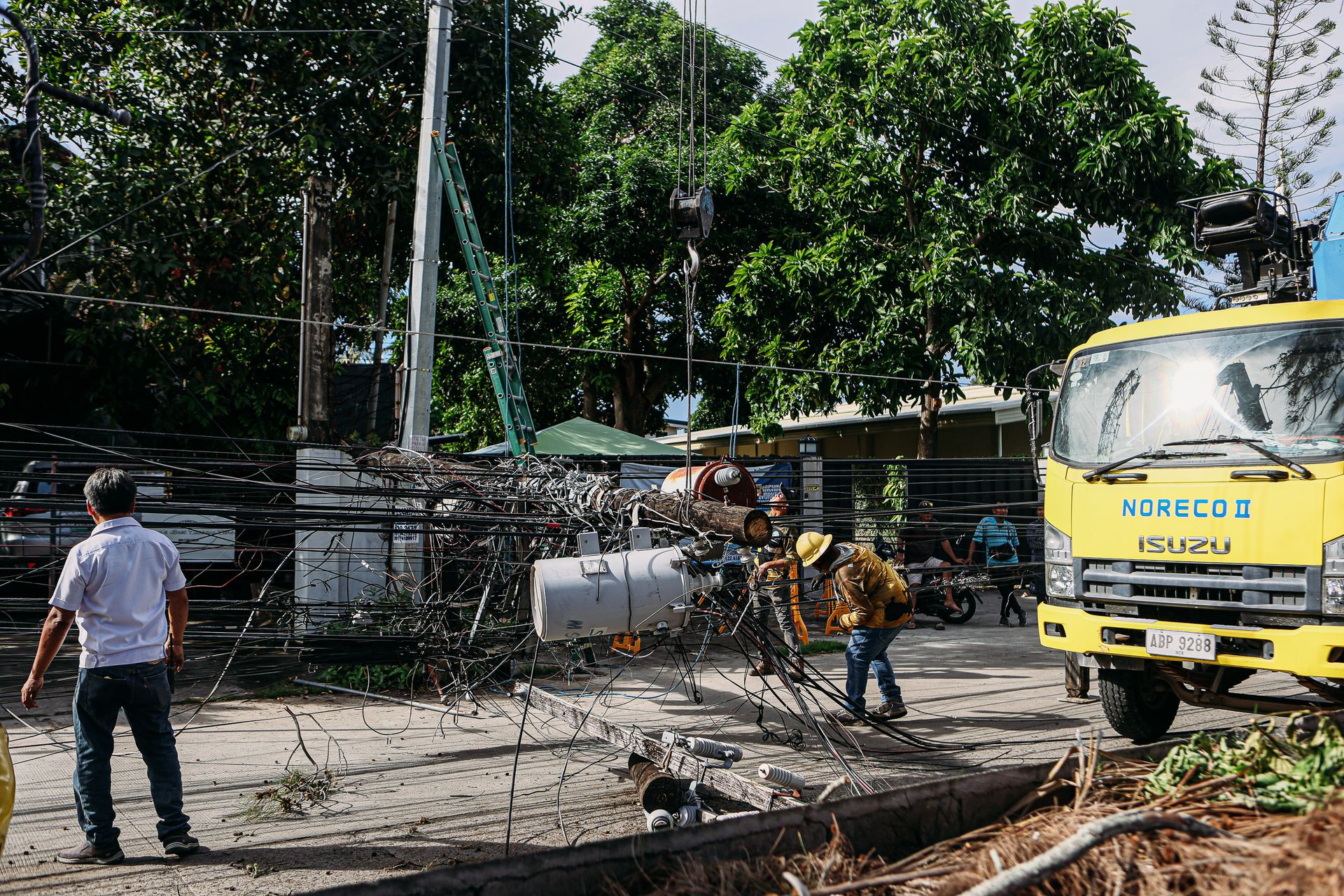
But the automation is physical before it is digital. Each device was specified, delivered, mounted on a pole, wired, connected, tested and added to the systems that monitor the grid — hundreds of times, across thousands of miles, to one standard, in all weather.
Grid modernization is announced in press releases. It is delivered one pole at a time.
That is the discipline of field deployment at utility scale: the same install, the same test, the same record, repeated until the network the control room sees is the network that is actually standing out there.
Any organization modernizing distributed infrastructure — utilities, municipalities, multi-site operators — should judge the plan by its field math: devices per crew-week, the test standard per install, and who verifies the record. The announcement takes a day. The poles take the year, and they are the project.