
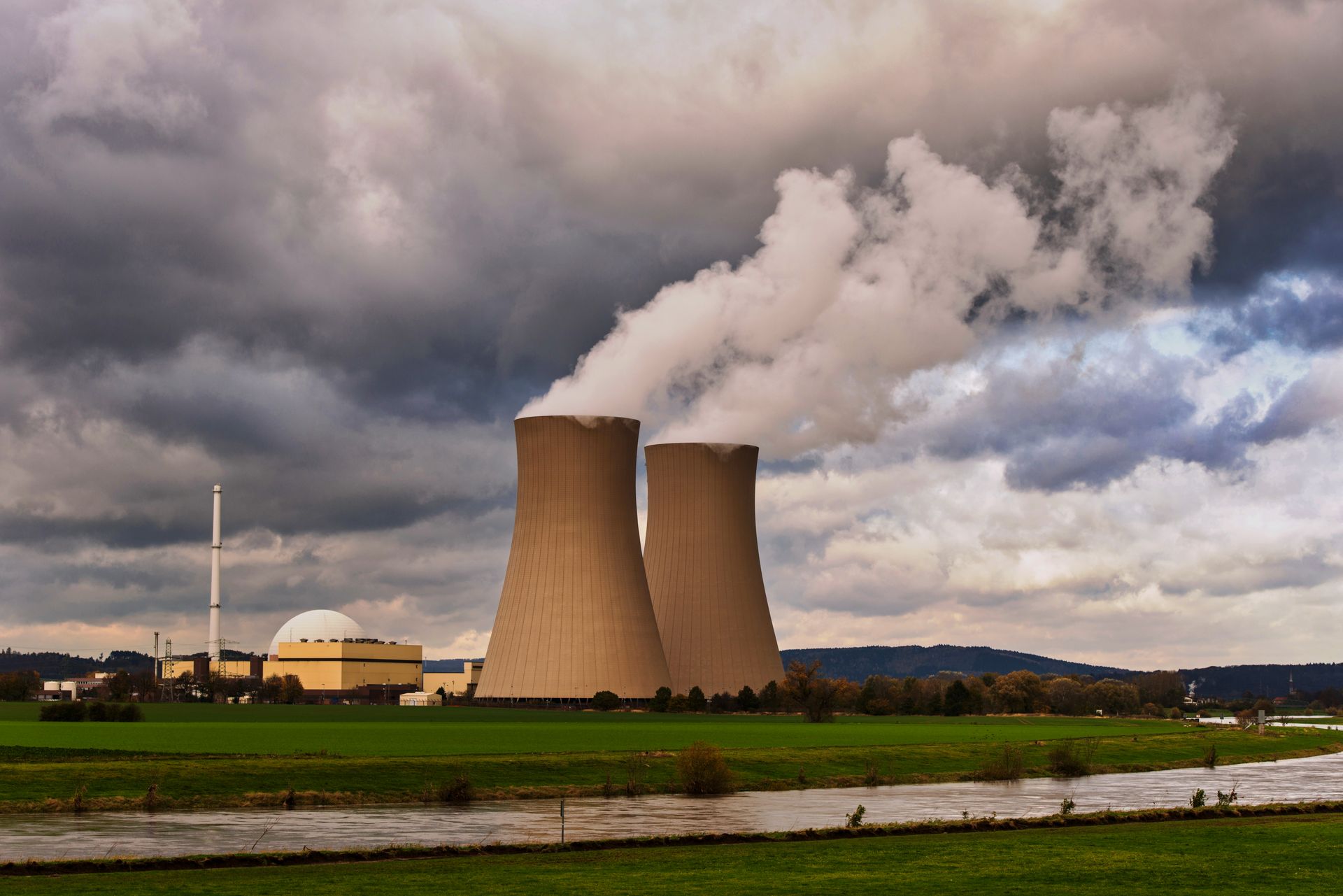
Bruce Power, in a release carried by GlobeNewswire on Nov. 3, 2026, said the Major Component Replacement outage for Unit 5 began on Nov. 1. The renewal programme covers Units 3 through 8 and adds 30 to 35 years of life to each reactor, and the release states that 95% of project spending stays in Canada, sustaining 22,000 jobs.
The logic is worth pausing on. Rather than retire a working asset and build a replacement, the operator takes the unit down on a planned schedule, replaces the major components that limit its life, and returns it to service for decades. The outage is not the failure of the asset. It is the price of the asset lasting.
The cheapest new capacity is often the asset you already own, renewed on purpose.
That is lifecycle refresh at the largest possible scale, and the same reasoning runs down to fleets of servers, devices and building systems: replace the components that wear out, on a planned cycle, before failure chooses the timing instead. KSPACE TECHNOLOGIES runs that discipline for business technology through its lifecycle refresh services.
Planned downtime also behaves differently from forced downtime. Work is sequenced, parts and people are ready, and the return to service is a date on a calendar rather than the end of an emergency.
List the assets your operation depends on most, note which ones have life-limiting components, and put their renewal on a planned schedule. Unit 5 is the reminder that replacement and retirement are not the same decision.