
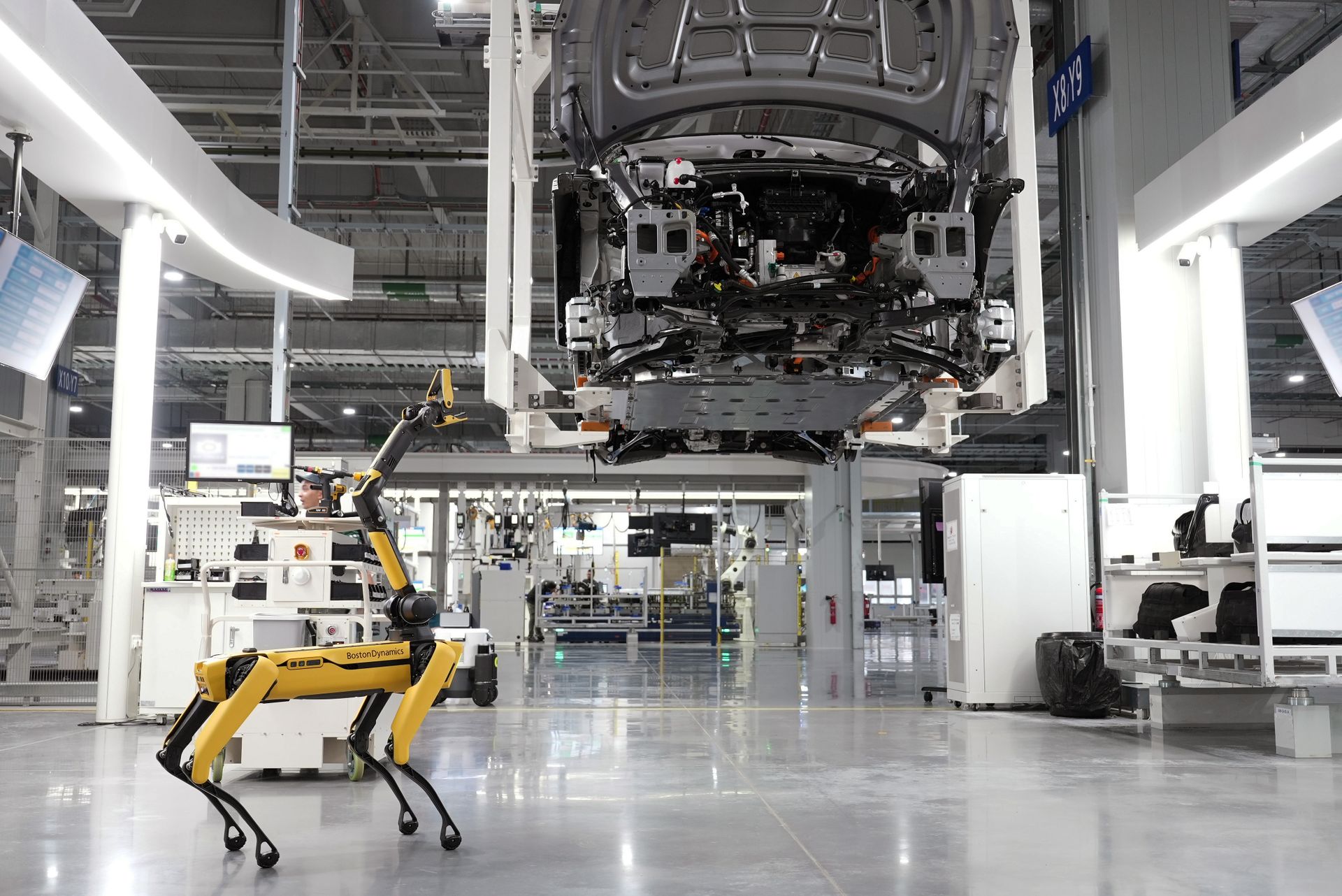
Amazon now runs more than one million robots across its fulfilment network, chief executive Andy Jassy said on the company earnings call on Oct. 29, in reporting covered by Tech-Insider on Nov. 1 and The Motley Fool on Nov. 3, 2026. Jassy said robots are expected to take over many repetitive jobs over the next five years.
No Canadian third-party logistics operator will buy a million robots, and none needs to. The mid-market version of the same story is smaller and harder: a few autonomous mobile robots, introduced into a building that already runs on an existing warehouse management system, existing scanners and existing shift patterns.
A few robots that talk to the warehouse system are worth more than a fleet that works around it.
That is where projects succeed or stall. The robots have to receive work from the warehouse system, report status back in real time and fit the way picks, replenishment and exceptions are already handled. When that connection is treated as an afterthought, the building ends up with impressive hardware and manual workarounds. KSPACE TECHNOLOGIES handles that kind of warehouse systems integration as the core of the deployment, not as a final step.
The practical takeaway for warehouse operators is to start with integration, not unit count. Map the repetitive moves in the building, connect a small fleet properly to the systems that run the work, prove it on one flow, and only then scale what the data shows is working.