
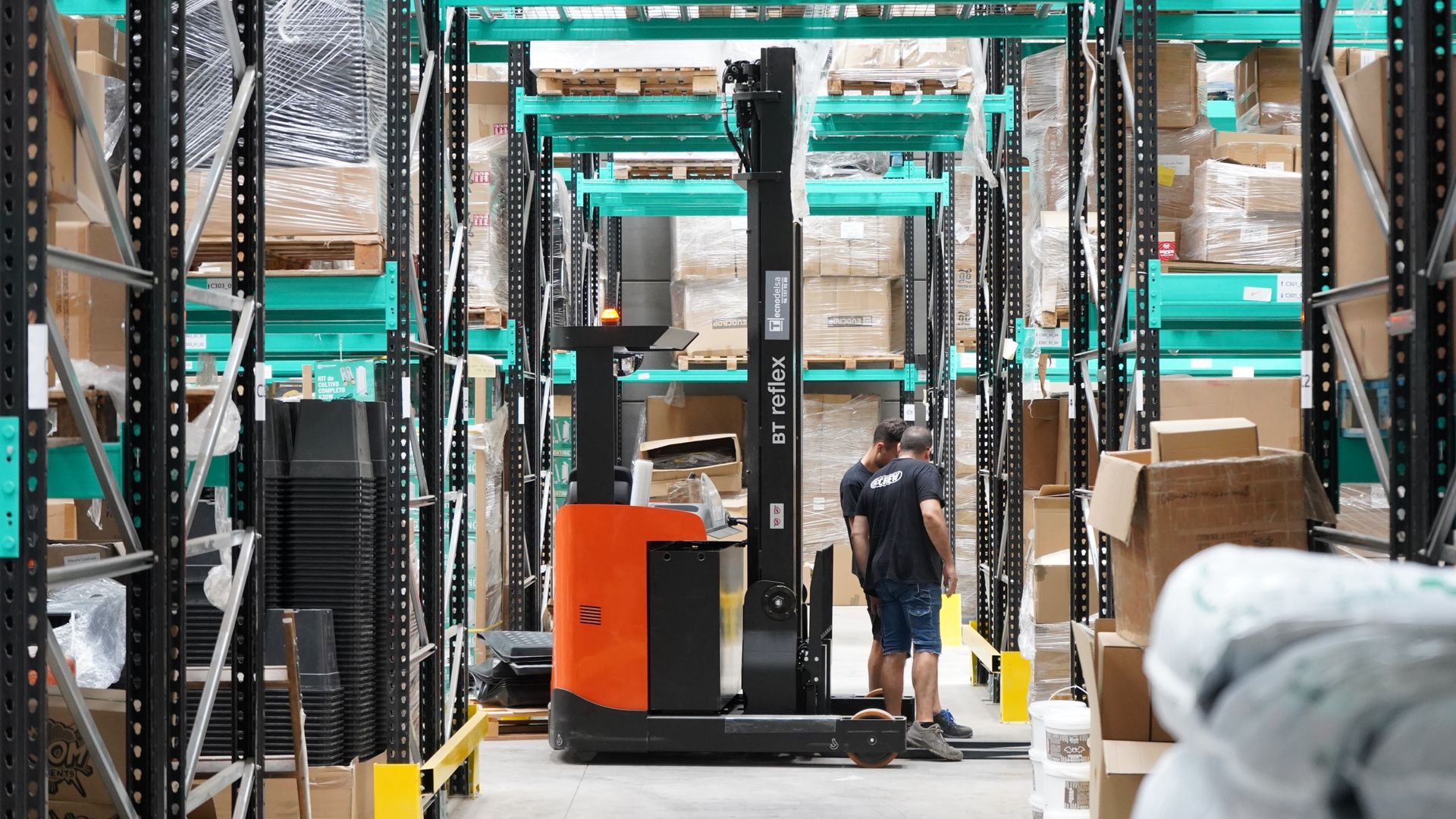
One in four supply chain leaders regret the warehouse automation they bought. That is the headline finding of “Avoid Robot Regret,” research Exotec released this week, drawn from a survey of 250 supply chain decision-makers across the US and Canada.
The lock-in is the trap. Ninety-four per cent said switching providers would be prohibitively expensive, and these are systems companies keep for 10 to 15 years. Costs surprised nearly everyone: 65 per cent said total cost of ownership ran higher than expected, 70 per cent pointed to undisclosed costs that raised annual maintenance spending, and among companies whose systems underperformed, 43 per cent said costs ran 26 to 100 per cent above expectations.
Exotec traced the regret to three decisions made before signing: underestimating lifetime cost, leaving accountability unclear, and automating before the operation was ready. Notably, the largest companies — revenue above a billion dollars — reported underperformance more often than smaller ones, 21 per cent against 13 per cent. Scale did not protect anyone.
Nobody regrets a robot on the day it is demonstrated. They regret the contract they signed in the quarter before it arrived.
None of those three causes is a technology failure. They are buying failures — exactly the kind a disciplined pre-project review exists to catch, while catching them is still cheap.
Before signing any automation deal, write down three things: the full lifetime cost, the single named owner when something breaks, and the evidence your operation is ready. If any of the three is fuzzy, the regret is already scheduled.