
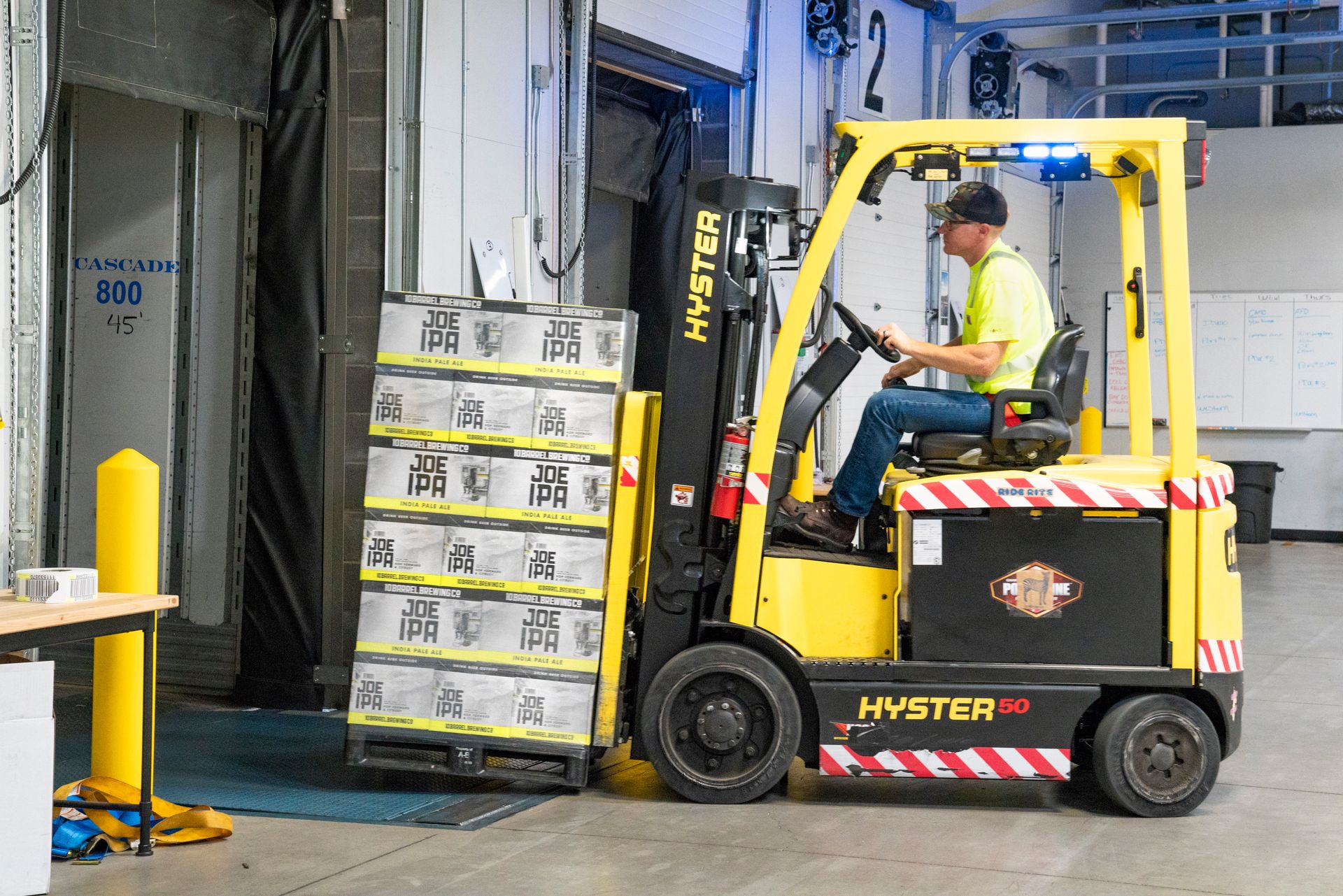
The United States Department of Commerce has clarified how US content is calculated for CUSMA-qualifying mobile industrial equipment, the Canadian Tooling and Machining Association reported on Nov. 2, 2026. The clarification covers equipment such as forklifts, loaders, backhoes, cranes and tractors entered from Oct. 14, 2026.
Under the clarified approach, up to 40% of a product value can qualify for reduced Section 232 treatment, with a 15% minimum duty applying. For Canadian makers and exporters of machinery, that difference is decided less by the tariff schedule itself than by whether the underlying claim can be documented.
The reduction goes to the companies whose records can prove it.
Claiming reduced treatment requires product-costing and origin documentation that holds together: where components came from, what value was added where, and how the final calculation was built. That is a systems and records problem. Spreadsheets assembled after the fact rarely match purchasing, production and shipping records closely enough. A structured systems and records review can align costing data with the source documents before a claim is filed.
Manufacturers should treat this as a records project with a deadline already running. Pull the costing file for each qualifying product, test whether origin evidence supports the US content figure, and fix the gaps in the system now, while entries from Oct. 14 onward can still be handled consistently.