
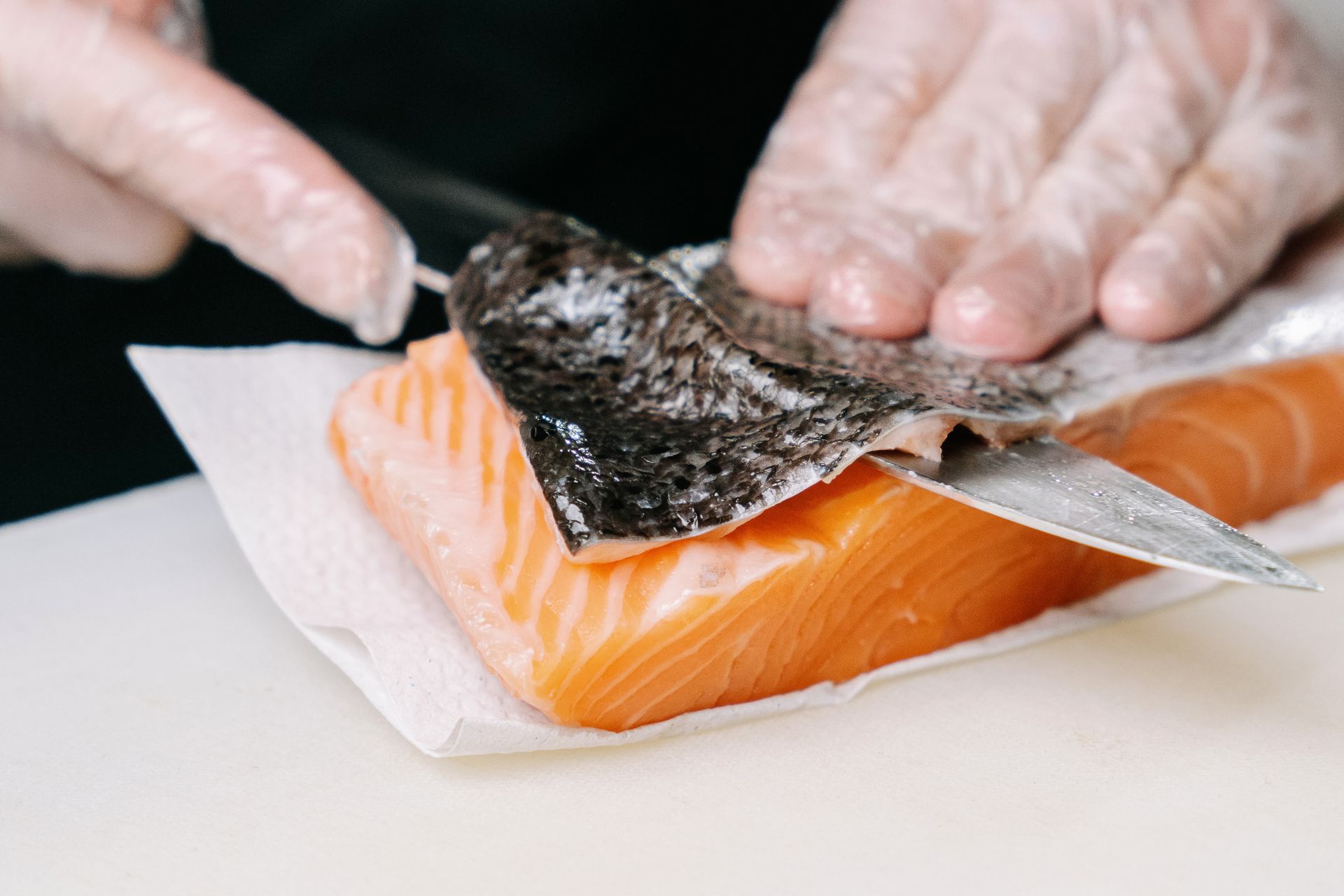
In seafood processing, a grade downgrade is discovered at the grading table. By then, the cause is already hours old.
Grade is decided by what the fish went through long before grading: how it was handled at receiving, how long it waited, and the temperatures it sat in along the way. A delay on a dock, a warm spell in storage, or rough handling early in the day shows up later as a softer texture, a weaker appearance and a lower grade.
The grading table takes the blame because that is where the verdict is read. But graders can only judge the condition in front of them. They did not create it, and pressuring the grading line cannot undo a temperature or timing problem that happened at the start of the process.
The records connecting cause and verdict usually exist. Receiving times, cold storage logs, handling steps and grading results are each written down somewhere; they are simply never read as one story. KSPACE TECHNOLOGIES does that connecting work through its operational intelligence work, matching downgraded lots back to the conditions they passed through.
Once the pattern is visible, the fix belongs early in the chain, not at the table. KSPACE TECHNOLOGIES helps the plant act on the receiving, timing or temperature practice involved, and the ongoing follow-up records each fix as done, in progress, or not started, checked against the plant’s own grading results.
The takeaway: when a grade disappoints, walk the lot backwards through its day before questioning the grader. The answer is almost always upstream, and it is usually already on record.