
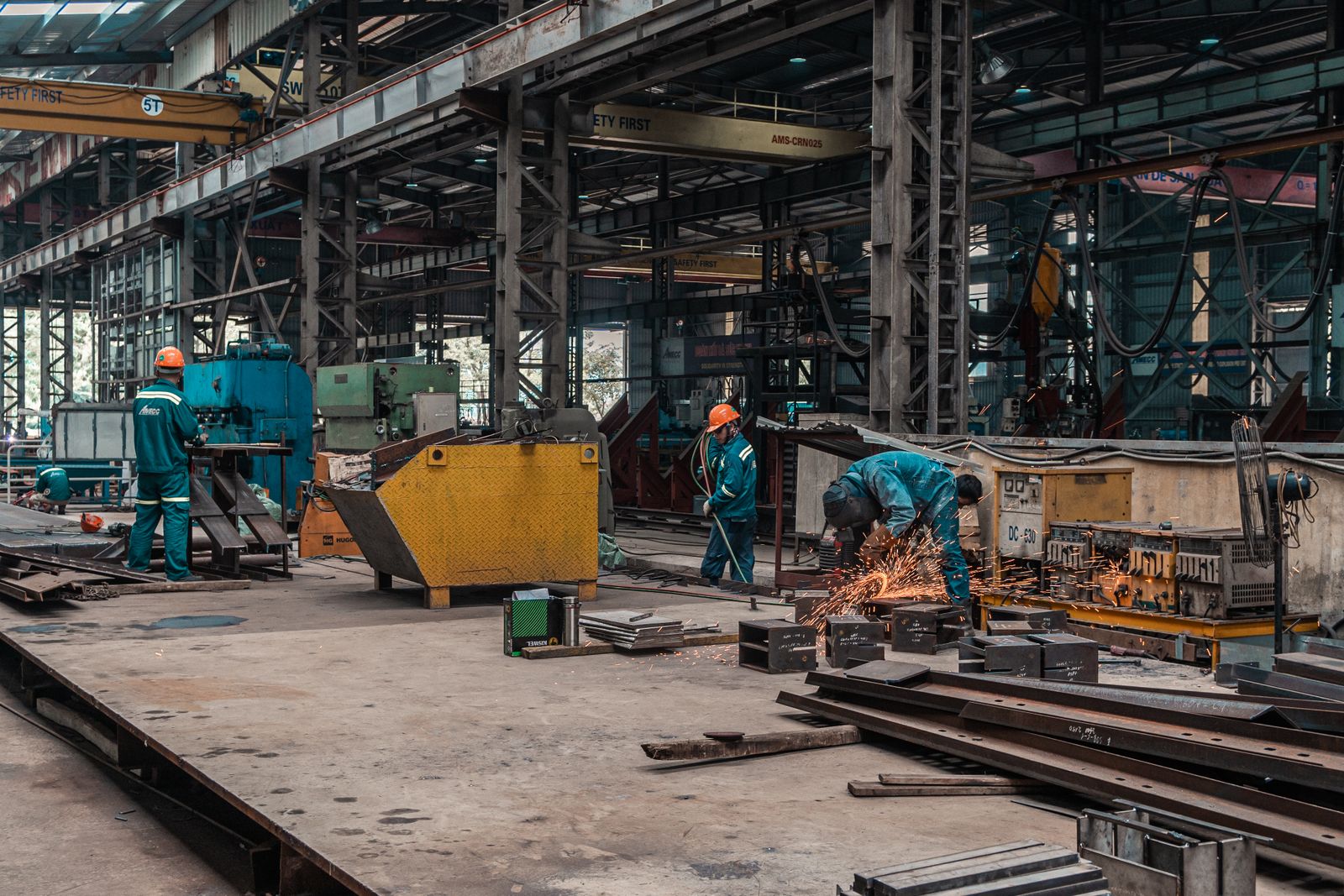
Every plant has problems that only exist between shifts — noticed by one crew, never written down, invisible to the next.
The handoff is the weakest link in most operations. It's verbal, it's rushed, and it usually ends with “all good” — even when it wasn't. What the day shift noticed at 3 p.m. is gone by the time the night shift clocks in at 11.
What gets lost isn't the big stuff. Big stuff gets reported. What's lost is the small, recurring stuff: the ten-minute stops nobody logs, the machine that runs a little hot, the workaround everyone uses but nobody documented. Each one is minor. Together, they're the margin.
This is where waste and downtime hide. Not in the reports — the reports look fine. In the gaps between the reports. A problem that lives between shifts never makes it into any system, so it never gets measured, and what never gets measured never gets fixed.
The fix is almost embarrassingly simple: a written handoff log, filled in at the end of every shift, read at the start of the next one. Not a form with forty fields — a few lines. What stopped, what was worked around, what's worth watching.
Then, once a week, read the week's logs together and look for patterns. The third time the same machine shows up, it's not a coincidence — it's the most honest report your plant has ever produced.
The information was always there. It just never made it past the shift change.