
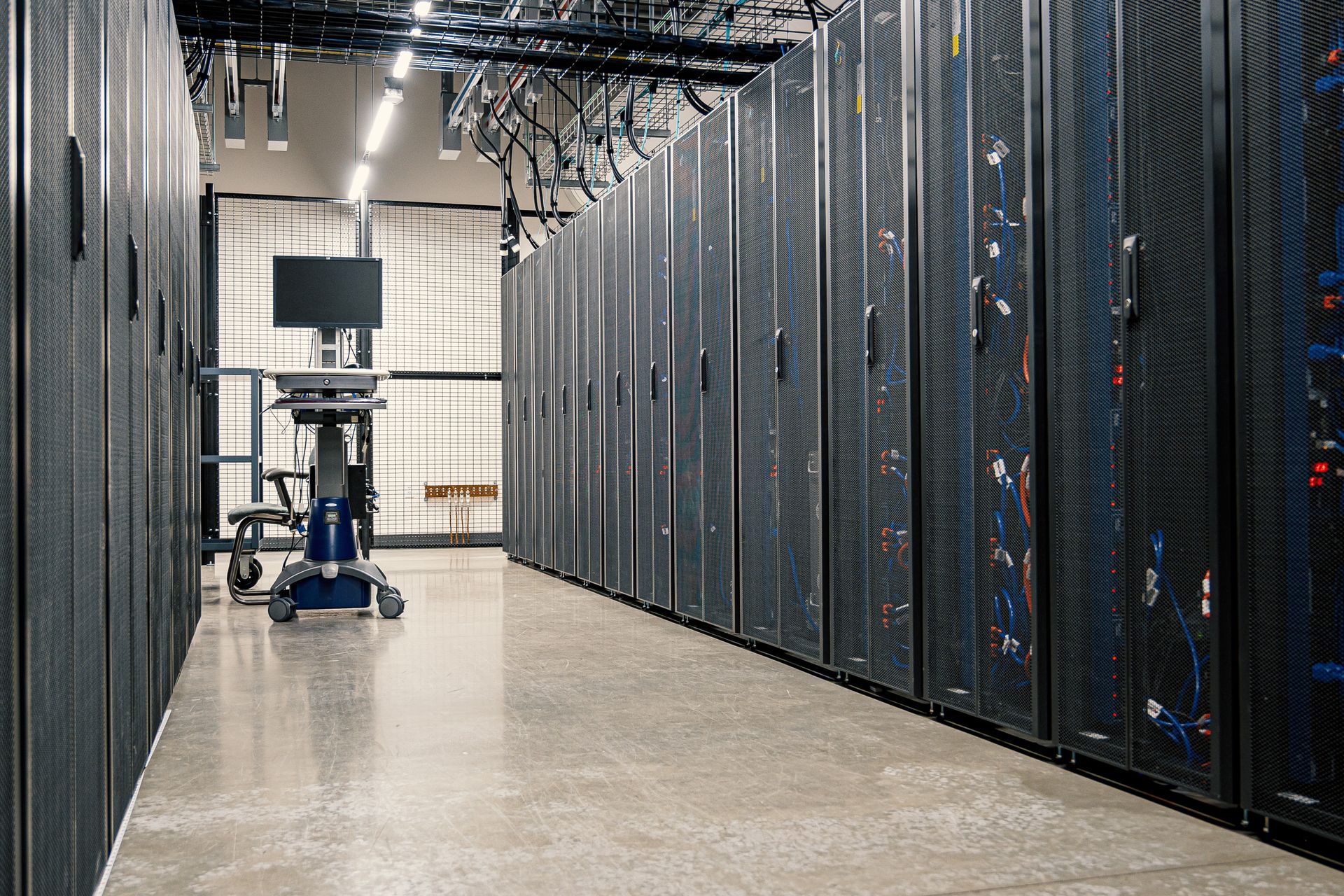
PowerBank Corporation announced on Oct. 29 that it will build a 2 MW modular data centre in Ontario, designed to house roughly 500 NVIDIA GB300 GPUs for an AI cloud tenant. Not a mega-campus — a modular site, assembled from prefabricated units and sized for a single tenant’s workload.
Chief executive Dr. Richard Lu explained the logic plainly: “Compute is following power, and the companies that already have power in the ground are the ones that will win the next phase of AI.” The announcement also cited McKinsey’s expectation that around 60 per cent of AI compute demand will come from inference by 2030 — AI answering questions close to where the questions are asked.
Inference rewards proximity. That pushes capacity out of a handful of giant sites and into many smaller ones, nearer to users and nearer to available power.
The mega-campus is not the only shape of AI infrastructure anymore. Small, fast and close is a shape too — and it multiplies the number of sites that need building out.
Every one of those sites is a build-out: power distribution, cooling, racks, networking, physical security, monitoring, and someone accountable when it misbehaves at 3 a.m. As the sites multiply, the scarce skill stops being pouring one enormous foundation and becomes deploying site after site to the same standard — and keeping them running.
If your organization is planning AI capacity, ask who integrates and supports the site after the announcement. Compute is easy to announce. Keeping it running is the service.