
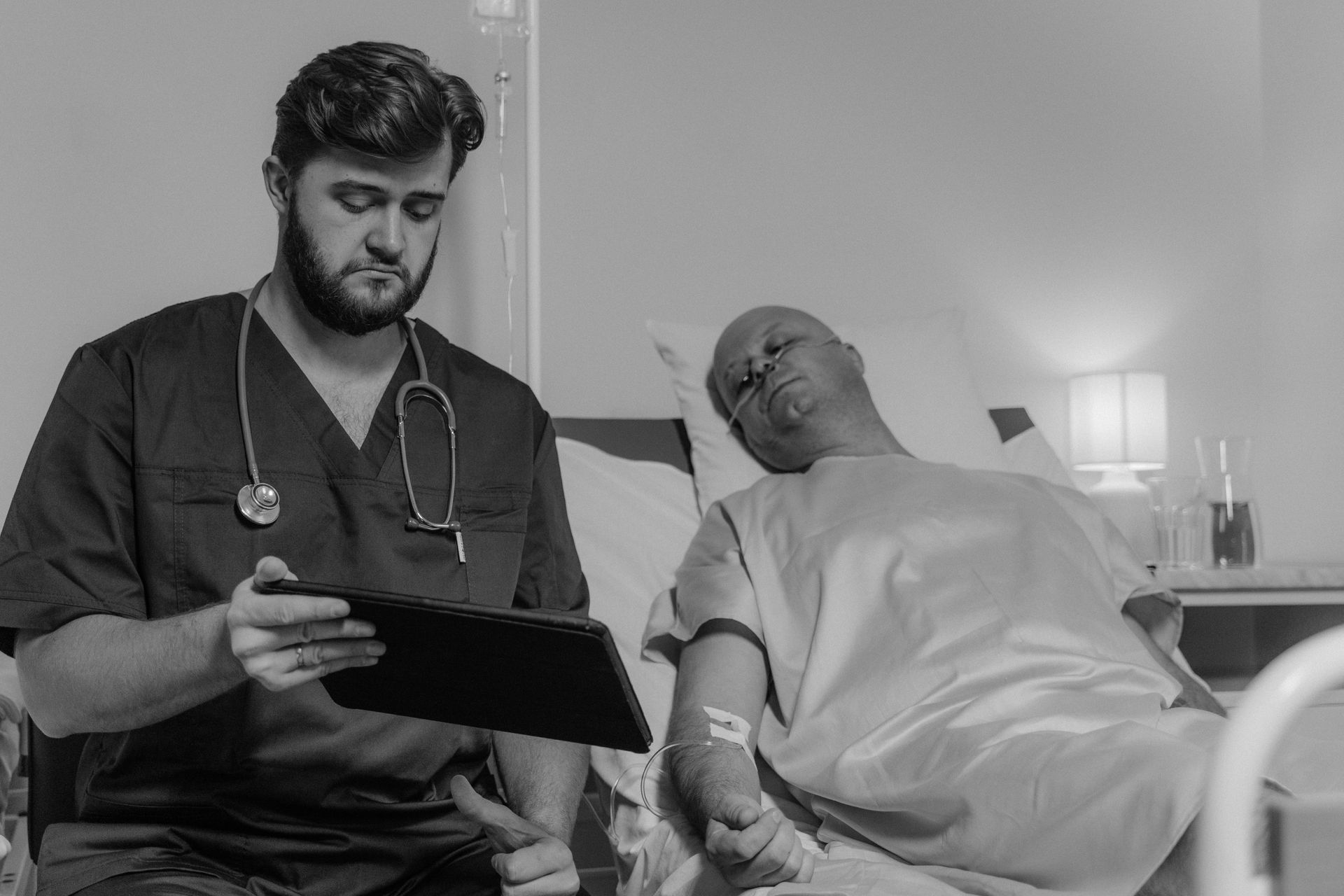
Eight more hospitals in eastern Ontario went live on Oct. 24 on a single shared patient record, Canadian Healthcare Technology reported on Oct. 28. The Atlas Alliance’s shared Epic system now spans 18 organizations; the newest members include Hôpital Montfort, Queensway Carleton Hospital, Pembroke Regional Hospital, Arnprior Regional Health and The Royal, and patients can follow their own information through the MyChart portal.
What that means at the bedside is simple to say and hard to do: a patient transferred between hospitals in the region arrives with their record already there. No re-entering history, no chasing a chart from another site, no clinician working from a partial picture.
Getting to that morning took thousands of staff prepared for new workflows, and the alliance was candid that early appointments may run longer while teams settle in. That kind of honesty is a marker of a serious go-live — the plan assumed friction and staffed for it.
A shared record is not a software feature. It is eighteen organizations agreeing to work the same way — and the technology, training and support making that agreement hold at 2 a.m. on a short-staffed ward.
This is integration in the literal sense. The software was the same for every member; the work was aligning eighteen organizations’ habits, training and support around it, then holding that standard after the launch-day attention moved on.
If your organization is planning a shared system, judge the proposal by its go-live: the training hours, the floor support, and who answers when something breaks at 2 a.m. Budget your attention there, not only on the software decision.