
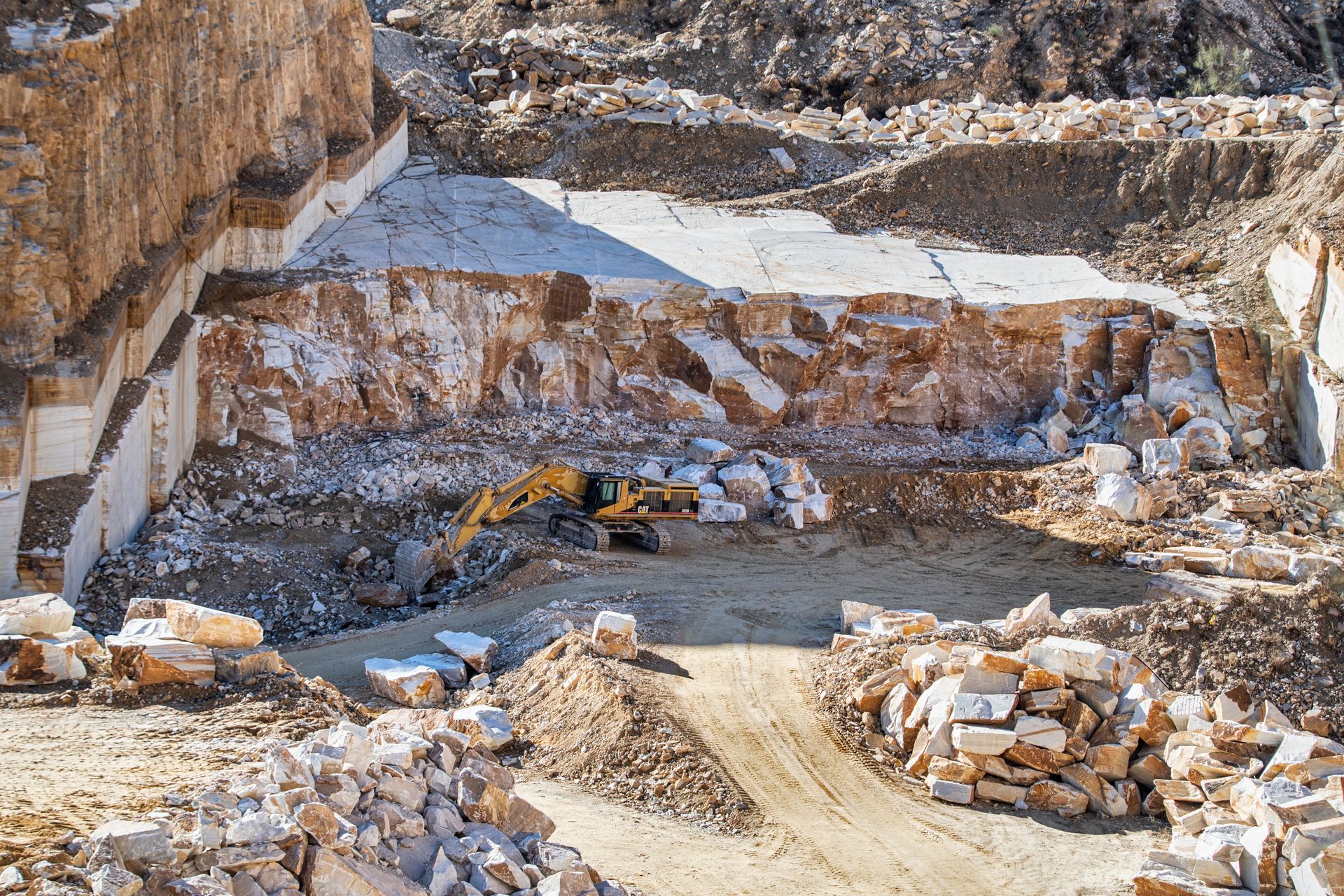
Distance is the defining fact of a remote mine site. The office is far away, the weather is serious, dust and vibration are constant, and the connection back to corporate systems may be the most fragile piece of equipment on the property. Mining technology deployment in Canada has to be designed for that reality, not for a head-office network closet.
Connectivity comes first, and it has to be honest. Sites need links sized for the work, backup paths where they matter, and network equipment installed and documented so a fault can be found quickly in a place where the nearest technician may not be nearby. A diagram that matches the site as built is worth more than a faster link nobody can troubleshoot.
Devices come second, chosen and staged for conditions. Equipment destined for site should arrive configured, labelled and tested, installed by field deployment teams who document what went where, because the next visit may be months later and the record is the memory of the installation.
Above all, site systems should keep working when the link does not. Local records, local access and a clear way to synchronize when the connection returns mean a dropped link is an inconvenience, not a shutdown of reporting, maintenance logs or safety documentation.
A remote site does not need the most technology. It needs technology that was chosen, installed and documented as if help were far away, because it is.
Operators planning site technology should test one question against every system: what happens here when the connection drops? The systems with a good answer belong on site. The rest need work before they go, not after they arrive.