
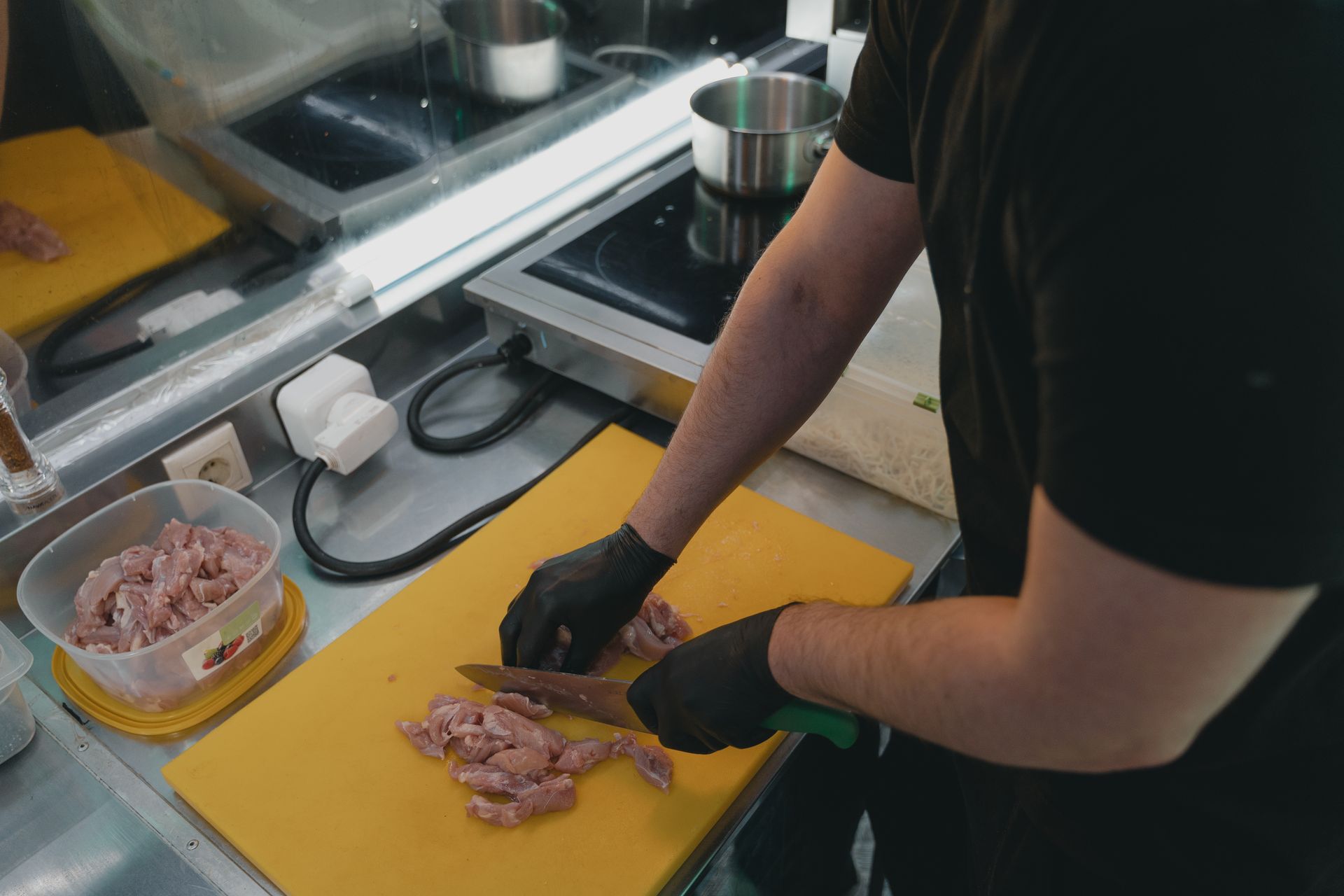
In meat processing, some of the most consequential decisions in the plant are made by eye, in seconds, at the line: how much to trim, which grade a piece earns, and what moves on or comes off.
Those calls are skilled work, and experienced staff make them well. The problem is what happens afterwards. Trim goes one way, graded product goes another, and the result of thousands of individual decisions only becomes visible at month-end, rolled into a single waste or yield figure.
By then, the moment is gone. Nobody can reconstruct which lines, shifts or product mixes drove the number, so the conversation defaults to general pressure: trim less, watch the waste, do better next month. Without a line-level view, that pressure has nowhere specific to land.
The records to build that view are already being kept. Weights in, weights out, grade counts and line assignments exist in production logs, even if they live in separate sheets and systems. KSPACE TECHNOLOGIES brings records like those together through its operational intelligence and plant services so waste can be read close to where and when it happened.
Visibility alone does not change a trim decision. KSPACE TECHNOLOGIES works with the plant on the practices behind the numbers, and the ongoing follow-up keeps each agreed fix accounted for — done, in progress, or not started — verified against the plant’s own production data.
The takeaway: move the waste conversation from month-end to the line and the day. A decision made by eye can stay skilled and human; it just should not stay invisible.