
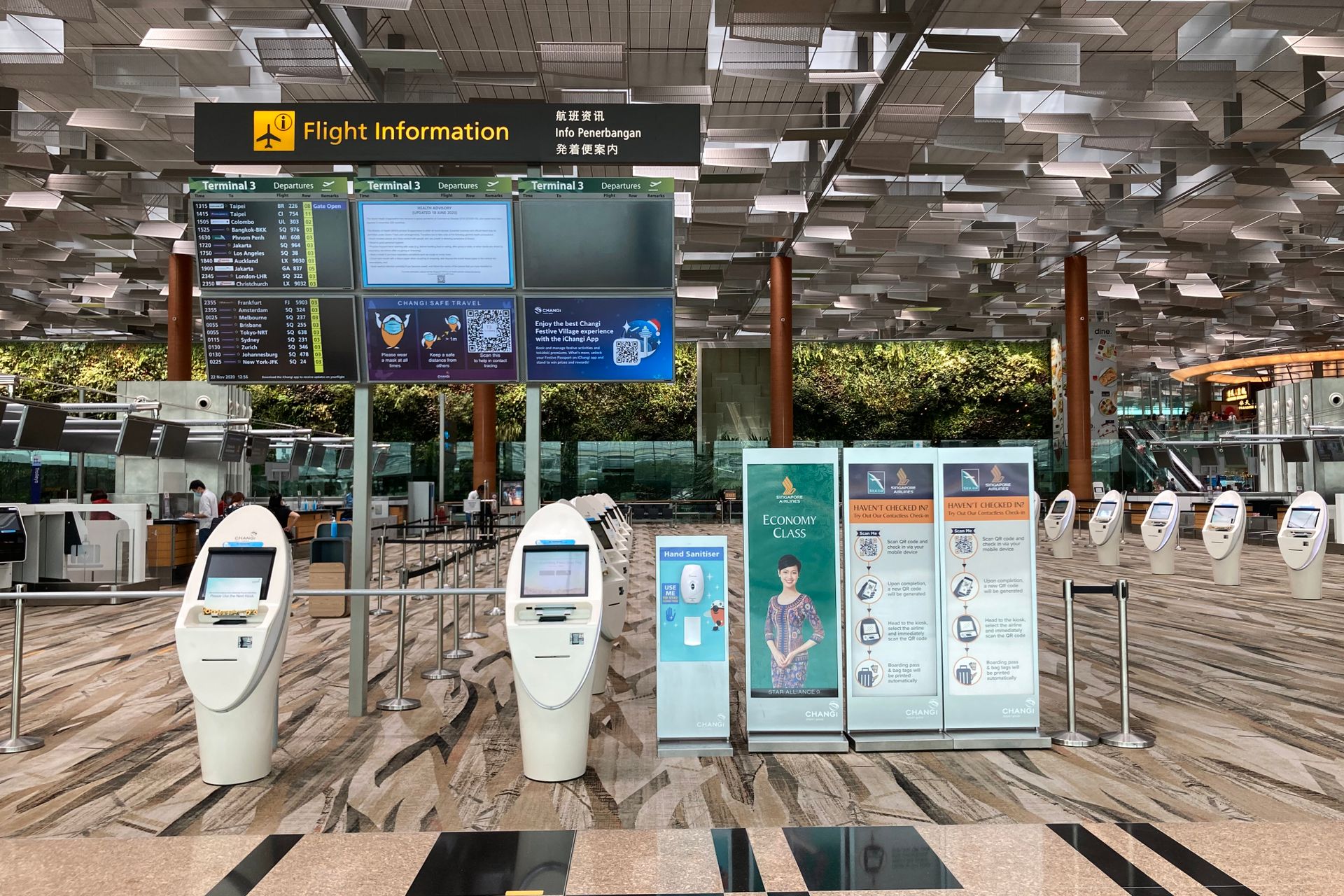
A self-service kiosk has no staff to work around a fault. If it is dark, frozen or offline, the service it replaced simply is not there, which is why uptime is not a feature of a kiosk deployment. It is the product.
Placement decides more uptime than the software does. A kiosk needs to be where people naturally pause, visible without blocking the flow, reachable for service, and out of glare and weather that fight the screen. A well-placed kiosk gets used gently. A badly placed one gets moved, unplugged or ignored.
Power and connectivity deserve the same suspicion. Outlets get borrowed, cables get knocked and a wireless signal that was fine at install time weakens when the space fills up. Dedicated power where possible, secured cabling and a connection tested at busy times stop the most ordinary outages before they start.
Nobody praises a kiosk that works. They only remember the one that did not.
Remote restart and monitoring finish the job. Most faults should be fixable without a visit: a restart, an update or a content refresh from one dashboard, with an alert when a unit goes quiet. The visit is then reserved for real hardware trouble, with the right part already in hand.
That uptime-first standard guides kiosk deployment work at KSPACE TECHNOLOGIES, from placement and power through to remote recovery.
Takeaway: place it where people pause, protect its power and connection, and make restart remote. A kiosk earns its place only while it is on.