
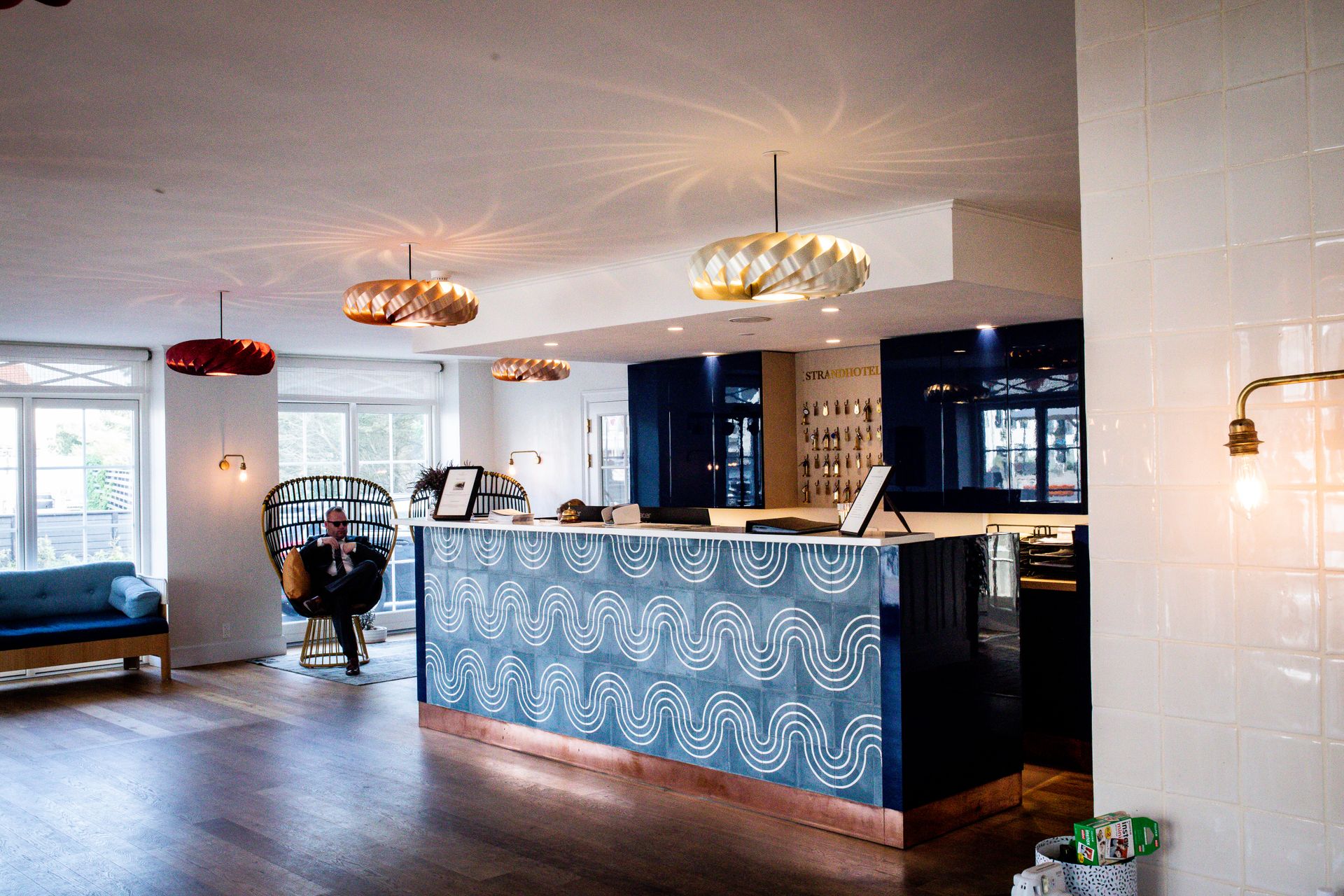
A guest experiences a hotel as one stay: book a room, arrive, tap a key, connect to Wi-Fi, charge dinner, check out. Behind that simple line sit separate systems for bookings, property management, door locks, guest Wi-Fi, point of sale and in-room screens, often bought at different times from different suppliers.
When those systems do not talk to each other, people fill the gaps. Front-desk staff retype booking details, housekeeping works from printed lists that are out of date by mid-morning, and a restaurant charge reaches the room folio late or not at all. The guest never sees a system failure. They see a slow check-in and a wrong bill.
That is why hospitality technology integration is an operations question before it is a software question. The work is making each handoff automatic: a reservation creates the right room record, check-in activates access, charges post to the right folio, and departure closes the stay cleanly in every system at once.
Properties rarely replace everything at once, and they should not have to. Sound systems integration connects what is already in place, replaces what is holding the property back, and deploys new devices in rooms and back offices without disrupting guests who are already in the building.
The test is simple: staff should serve guests, not carry information between systems. A hotel where the technology agrees with itself feels calm at the desk, accurate on the bill and unremarkable in the best possible way.
Start by listing every handoff where a person retypes, rechecks or carries information from one hotel system to another. Each one is an integration waiting to happen, and removing it gives staff their time back for the guest in front of them.