
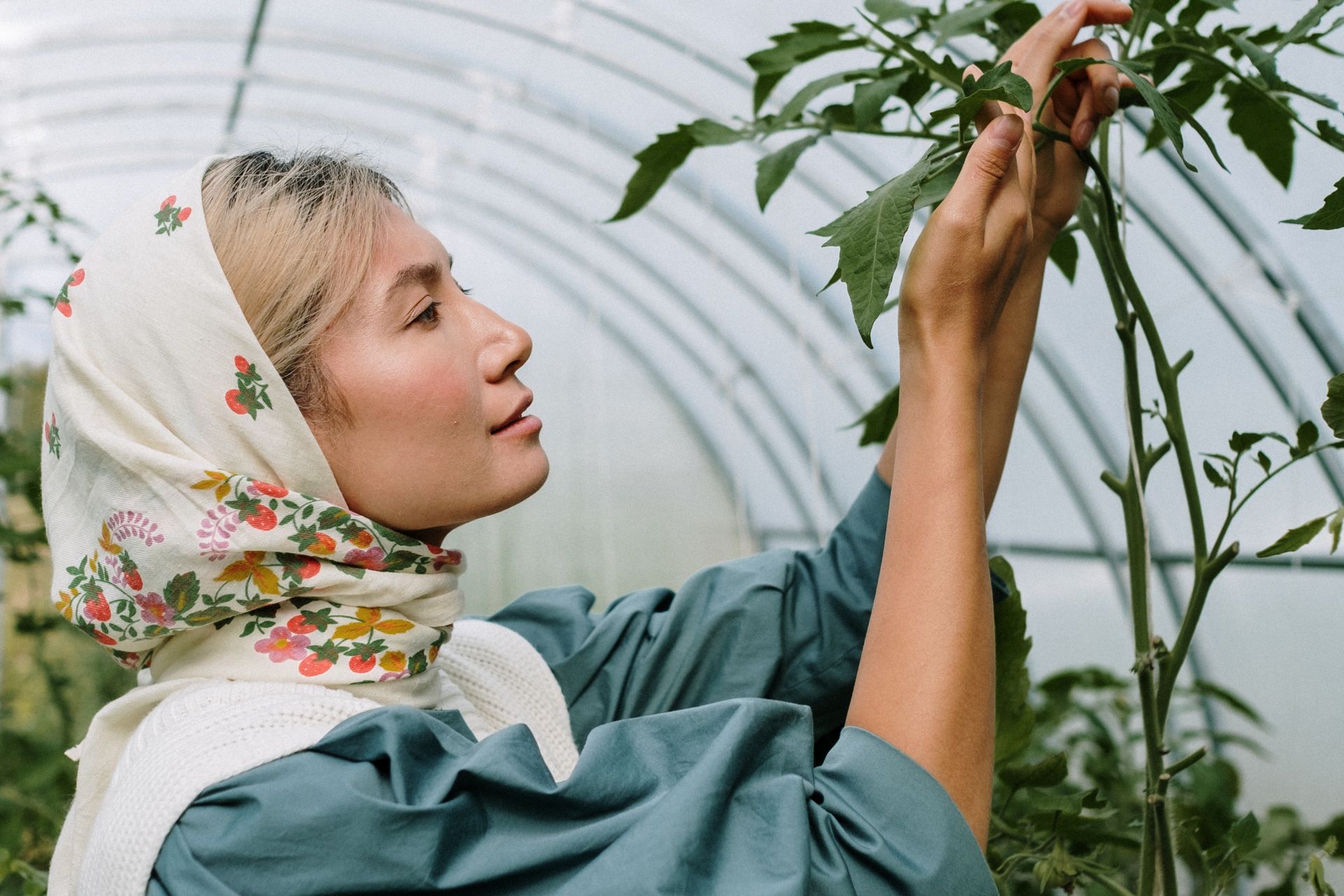
FloraTrack, a Riverview, New Brunswick startup, was named AI Startup of the Year at the first AI Catalyst Awards, held Oct. 8 in Burlington. Its scouts wear smart glasses that identify and count pests on the sticky traps hung through a greenhouse — work that, in most operations, is still recorded by hand, on paper, row by row.
The stakes are not small. Ontario's greenhouse vegetable sector alone counts roughly 170 growers across more than 4,500 acres, and Vineland Research and Innovation Centre's 2026 to 2029 priority-setting work for the sector ranks pest and disease management among its top research needs. A pest population found late is not a data problem; it is a crop problem.
Paper scouting fails the way paper always fails. Counts are taken, but they are compared late, trended rarely, and lost when the clipboard is. By the time a pattern is obvious enough to see without data, the pattern has been eating for weeks.
You cannot trend what you never captured. In a greenhouse, the most expensive sentence in the building is “we noticed it last week.”
The fix follows the same shape as on any plant floor: capture the observation once, digitally, where it happens — glasses, tablet or phone — and let operational intelligence do the trending, the thresholds and the early warning. The technology is new. The discipline is the same one manufacturing learned: data you have is not data you use.
If your operation still scouts on paper, start with one range and one pest: capture counts digitally for a month and trend them against your spray decisions. The first graph will tell you whether to scale it — and it will be the first time the data could.