
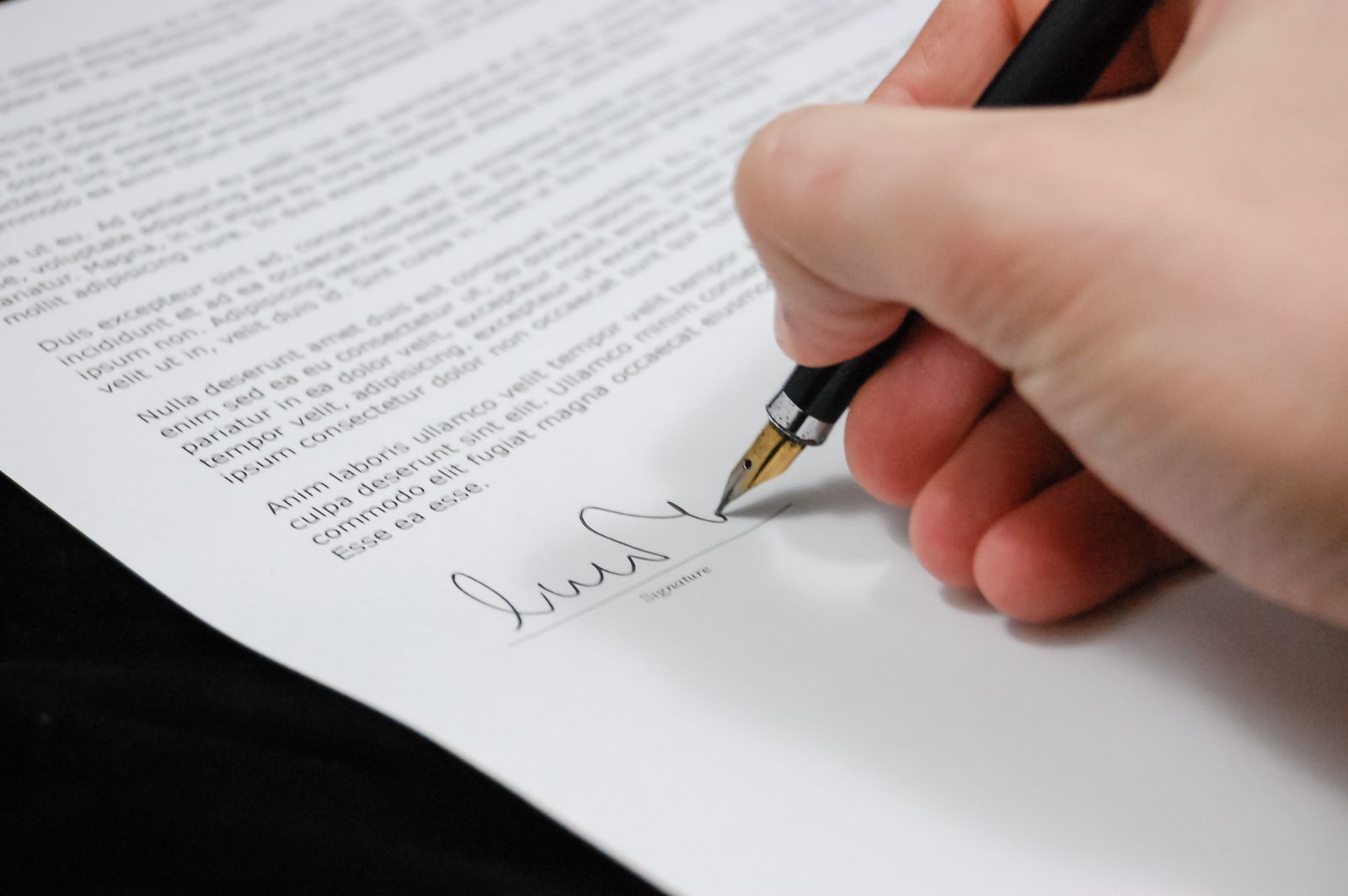
Everyone talks about winning the government contract. Nobody warns you about the paperwork — the kind that starts before the bid, swallows the bid, and keeps going after you win.
The bid document asks for your solution. The appendices ask for everything else. Proof of insurance. Workplace safety compliance. Security clearance forms. Signed declarations. None of it describes your ability to do the work, and any one of them can end your bid.
Here is what catches first-timers: the paperwork takes longer than the proposal. Chasing a clearance letter. Renewing a certificate that expired last quarter. Waiting on a signature from someone on leave. The work itself is rarely the hard part.
The fix is boring and it works. Keep a folder. Certificates, clearances, registrations, references — current and ready before you ever need them. When a bid drops with a two-week window, you should be writing the proposal, not hunting for documents.
Then comes the part nobody mentions: after you win. Purchase orders with their own forms. Invoicing rules that do not match yours. Progress reports, close-out documents, the last signature that officially ends the job. The contract does not finish when the work is done. It finishes when the paperwork is.
None of this is complicated. It is just relentless. The companies that win government work treat the paperwork as part of the job, not an afterthought. The bid is the promise. The paperwork is how the buyer knows you keep promises.