
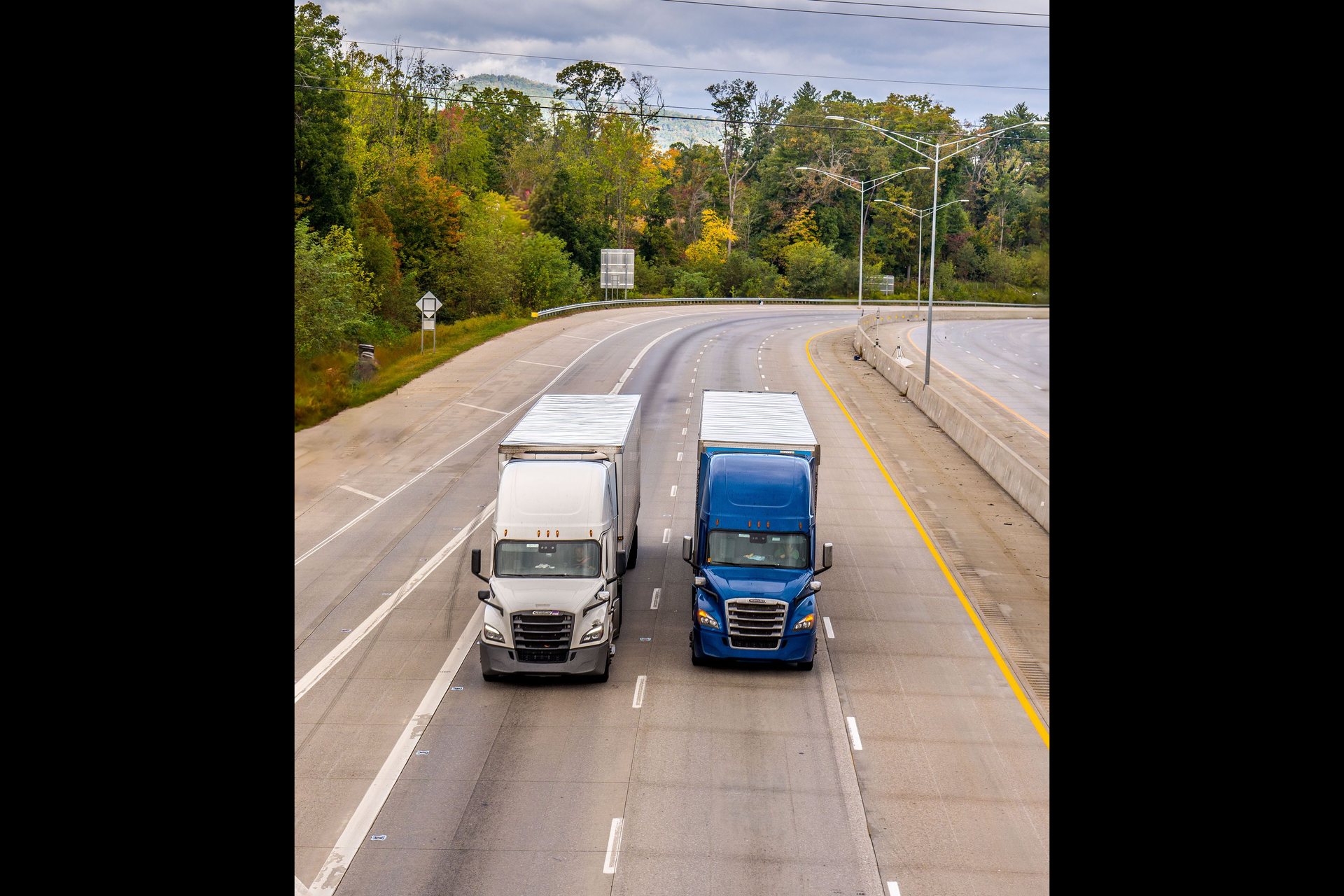
TraffiTech-GH went live on Sunday, Nov. 1, 2026. The Motor Traffic and Transport Department confirmed the launch: cameras in police vehicles and on tripods now capture speeding, officers review the evidence, and notices arrive electronically.
The process is specific, as Channel One News reported on Nov. 1. The notice comes by SMS from the sender ID GPS MTTD, with a link to the video evidence and the date, time and location of the offence. Owners have 14 days to pay or to challenge the notice in court. The initial limits targeted are 50 km/h in urban areas, 90 km/h on highways and 100 km/h on motorways. The system complements manual enforcement rather than replacing it.
Drivers' associations threatened a nationwide withdrawal as the system launched, arguing that road infrastructure must be fixed first, The Herald Ghana reported. That argument will run its course. For businesses that run vehicles — delivery fleets, school transport, logistics operators, institutions — the operational question is different, and it is already here.
When the camera is the witness, your records are your defence. Vehicle registration details must be accurate, or the notice goes to the wrong place. Driver logs must show who had the vehicle, and when. Speed discipline has to be trained and monitored before an offence, not explained after one. And someone in the office must own the 14-day window: checking notices, matching them to trips, and challenging the ones the evidence does not support.
KSPACE TECHNOLOGIES sets up the fleet and field systems — deployment, configuration and training — that keep records this clean. Talk to the team about getting your fleet records ready for camera enforcement.