
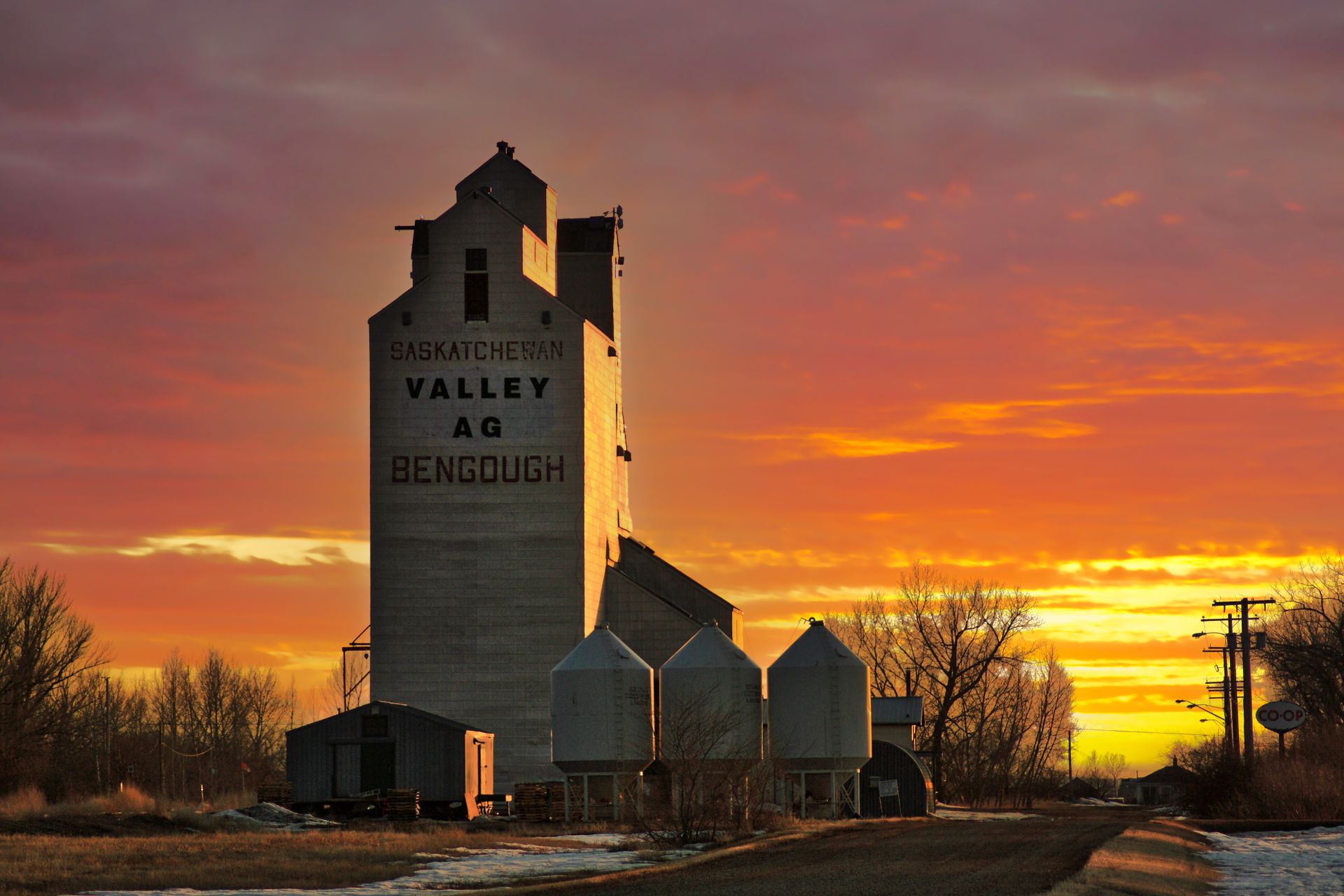
CPKC moved 3.26 million metric tonnes of Canadian grain in October 2026, in 33,822 carloads, the railway said in a newswire release on Nov. 3, 2026. It was a third straight record month of the crop year, and with 2.65 million metric tonnes moved in the United States, combined October volumes set all-time records.
Records on the railway only pay off if the destination can take the grain in. Elevators and processing plants sit at the end of that movement, scheduling receiving, testing, storage and intake around arrivals that are now arriving at record pace, month after month.
A record on the rails becomes a queue at the gate if receiving cannot keep up.
Throughput is a chain, and the slowest link sets the rate. When receiving appointments, sampling, bin space and production scheduling live in separate systems or on paper, surge volume turns into waiting cars, overtime and rushed decisions. Connected operational systems for food supply chains give plant teams one view of what is arriving, what is in storage and what production needs next.
Plant managers should use the record months as a stress test, not just good news. Check where October arrivals waited, where information lagged the physical grain, and fix that handoff first, because the crop year is setting records in sequence, not once.