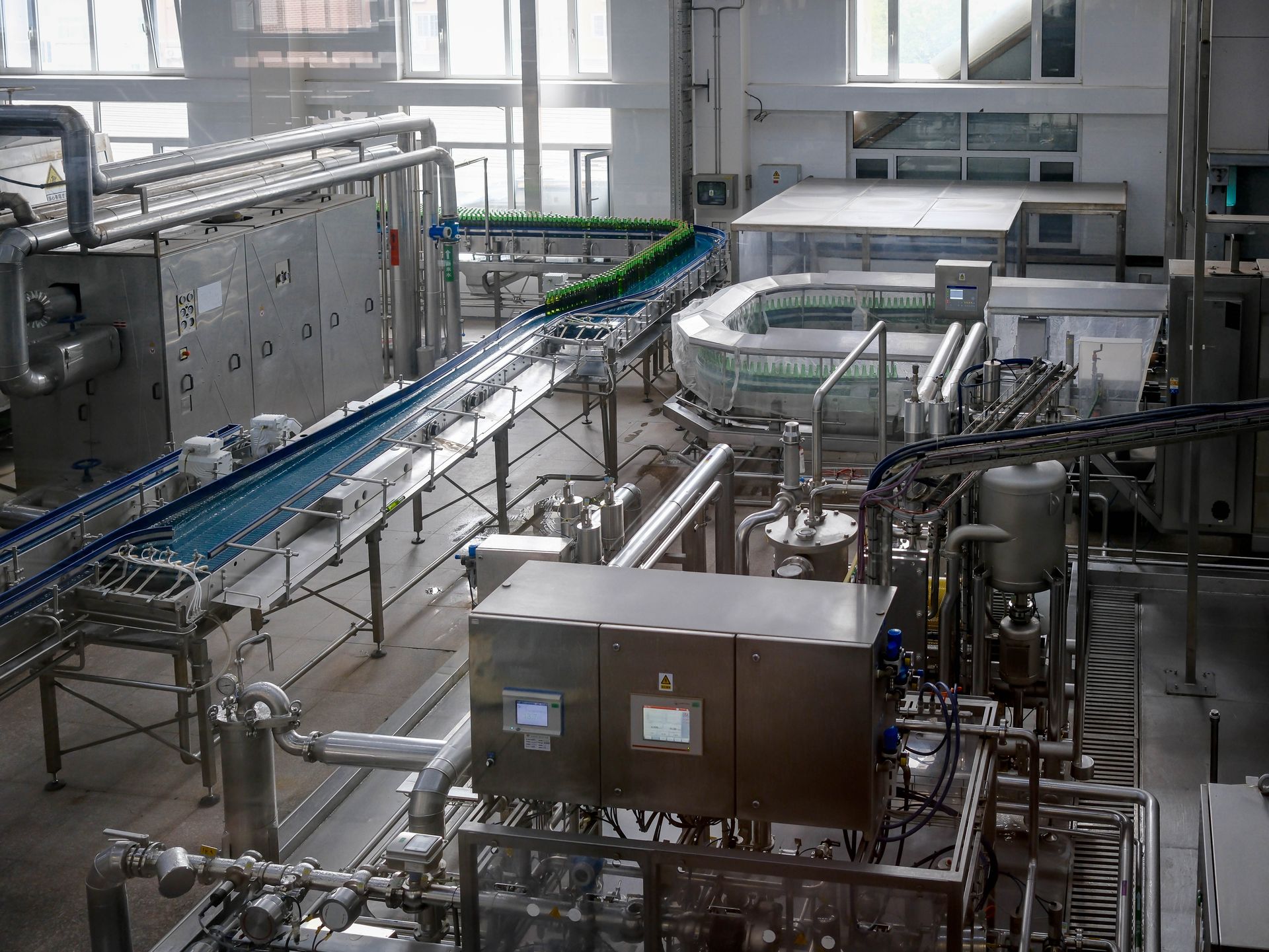
Tetra Pak this week unveiled Factory OS at Gulfood Manufacturing in Dubai: a modular suite of automation and digital tools, developed with partners including Siemens and Rockwell Automation, designed to bring a plant's fragmented data into one unified, real-time view and prepare food and beverage producers for AI-ready operations.
The evidence behind the launch is worth reading. A comparative study cited by Tetra Pak found that highly automated beverage plants achieve up to 20 per cent higher overall equipment effectiveness, 45 per cent less product waste and 20 per cent fewer packaging line stops compared with less automated sites. But Tetra Pak also named the barrier plainly: many producers are held back by limited digital capability and a lack of integrated solutions.
That second point is the one that matters in Ontario. The equipment in most plants is not the problem. The problem is that the line, the quality system, the warehouse and the office each keep their own version of the truth, and none of them talk to each other. A platform layered on top of disconnected systems produces a prettier dashboard over the same gaps.
Software does not integrate a factory. Integration integrates a factory — the platform is just where the result shows up.
Connecting machines, sensors and software from different vendors into one operating picture — and staying accountable for whether the numbers on the screen match the floor — is the daily work of a systems integrator. Done in the right order, connect first, standardize the data, then automate and add AI, a plant gets the single view Tetra Pak is describing, largely on the equipment it already owns.
So before buying the next platform, ask one question of every system you run: what does it share, and with what? If the honest answer is nothing, the next purchase is not a platform. It is the integration work underneath it.